regulations for computer scrap disposal
With the increasing amount of computer scrap generated worldwide, governments and environmental agencies have implemented strict regulations to ensure the proper disposal and recycling of electronic waste. These regulations aim to prevent hazardous materials from contaminating the environment and promote responsible recycling practices. Failure to comply with these laws can result in heavy fines and legal consequences for businesses and individuals.
One of the most significant regulations governing computer scrap disposal is the Waste Electrical and Electronic Equipment (WEEE) Directive in the European Union. This law requires manufacturers to take responsibility for the collection and recycling of electronic products, including computers, once they reach the end of their lifespan. Businesses must follow strict disposal guidelines, ensuring that electronic waste is properly processed rather than dumped in landfills. The WEEE Directive has set a global precedent, influencing other regions to adopt similar regulations.
In the United States, the Resource Conservation and Recovery Act (RCRA) and various state-level e-waste laws regulate computer scrap disposal. The Environmental Protection Agency (EPA) enforces these laws to control hazardous waste management, including lead, mercury, and cadmium found in old computers. Some states, such as California, have additional e-waste recycling programs that require consumers to pay fees when purchasing new electronics, which fund proper disposal and recycling initiatives.
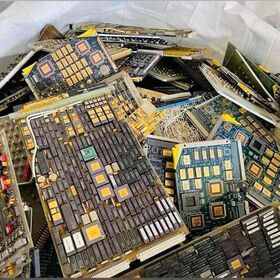
Are there any regulations for computer scrap disposal?
China, one of the largest producers and recyclers of electronic waste, has also implemented strict e-waste management regulations. The country enforces rules on the import and processing of electronic waste to prevent environmental damage. Additionally, businesses involved in the recycling of computer scrap must obtain government approval and adhere to specific standards to minimize pollution and ensure the safe recovery of valuable materials.
For companies engaged in international trade, understanding computer scrap regulations is crucial. Global Sources, a leading B2B platform, helps businesses navigate the complex process of buying and selling computer scrap while ensuring compliance with environmental laws. The platform connects buyers with verified wholesalers and manufacturers from China, India, Korea, and other countries, making it easier to find computer scrap products that meet regulatory standards. Businesses can compare prices, learn about the minimum order quantities (MOQs), and negotiate deals with suppliers who follow responsible recycling practices.
The Basel Convention is another critical regulation affecting the global trade of computer scrap. This international treaty restricts the export of hazardous waste from developed countries to developing nations to prevent illegal dumping. Countries that have signed the Basel Convention must follow strict procedures when transporting electronic waste, ensuring that it is processed in environmentally sound facilities.
To comply with computer scrap disposal regulations, individuals and businesses must work with certified e-waste recyclers. Many recycling facilities hold certifications such as R2 (Responsible Recycling) and e-Stewards, which guarantee safe handling of electronic waste. These certifications ensure that recyclers follow ethical practices and prevent harmful substances from polluting the environment.
As electronic waste continues to grow, governments worldwide are strengthening regulations on computer scrap disposal. Whether through the WEEE Directive, EPA regulations, or international agreements like the Basel Convention, compliance with these laws is essential. By using platforms like Global Sources to connect with reputable recyclers and manufacturers, businesses can ensure legal and environmentally responsible handling of computer scrap while maximizing its value in the global market.